
Fire Risk Assessments in London
Arrange a professional fire risk assessment for your residential or commercial property in London. Our assessments help identify fire hazards, evaluate risks to occupants and provide practical recommendations to support your fire safety responsibilities.
Identify Risks. Improve Fire Safety.
Fire risk assessments examine relevant fire hazards, escape arrangements and existing precautions to help responsible persons understand and manage fire safety risks.
Fire Risk Assessment Prices in London
Explore our fire risk assessment prices for residential and commercial properties across London. We offer straightforward pricing for common property types, with bespoke quotations available for larger or more complex buildings.
Professional Fire Risk Assessments
Starting price for eligible smaller properties and domestic communal areas. The applicable price depends on the property category and scope.
ENQUIRE ABOUT AN ASSESSMENTWhat Does the Assessment Cover?
Assessments are based on the agreed scope and accessible areas. Specialist surveys, invasive investigations, remedial works and additional certification are not automatically included.
Communal Areas – Domestic
Fire risk assessments for shared areas in residential buildings, including communal corridors and staircases.
Studio Properties
Fire risk assessments for studio properties where a suitable assessment is required.
1–3 Bedroom Properties
Assessments for eligible residential properties, including relevant rented and shared accommodation.
4–6 Bedroom Properties
Fire risk assessments for larger residential properties, subject to building layout and complexity.
Commercial Properties
Fire risk assessments for eligible offices, shops and other commercial premises.
Larger & Complex Buildings
For multi-storey premises, complex layouts, higher-risk occupancies or buildings requiring a more extensive assessment.
What Affects the Cost of a Fire Risk Assessment?
The level of assessment required can vary considerably between properties. We consider the following factors when determining the appropriate scope and quotation.
Property Size
Larger buildings and properties with more rooms generally require more extensive assessment.
Building Layout
Multiple floors, separate units and complex escape arrangements can affect the inspection scope.
Occupancy & Use
Residential, commercial and specialist occupancies can present different fire safety considerations.
Complexity & Risk
Unusual hazards, specialist systems or additional investigation needs may require a tailored quotation.
Not Sure Which Price Applies to Your Property?
Contact our team with the property address, building type, number of floors and approximate size so we can discuss the appropriate assessment.
What Is a Fire Risk Assessment?
A Fire Risk Assessment (FRA) is a structured evaluation of a building that identifies potential fire hazards, considers who could be harmed and examines the measures in place to reduce the likelihood and consequences of a fire.
It looks at important aspects of fire safety, including escape routes, fire doors, fire detection and warning arrangements, emergency lighting, firefighting equipment and fire safety management. The extent of the assessment depends on the building's use, layout and level of risk.
The findings are documented in a written report, together with recommendations for improving fire safety where necessary. This helps the Responsible Person understand what actions may be required and how risks should be managed.
VIEW FIRE RISK ASSESSMENT PRICESThe Five Key Steps
A fire risk assessment follows a systematic process to identify, evaluate and manage fire risks.
Supporting Safer Buildings and Better Fire Safety Management
A suitable fire risk assessment provides valuable information for planning, maintaining and improving fire safety precautions within a property.
Identify Fire Hazards
Recognise potential fire hazards and areas where existing precautions may need improvement.
Protect Building Occupants
Consider the safety of residents, employees, visitors and others who may be affected by a fire.
Support Legal Responsibilities
Help the Responsible Person understand relevant risks and prioritise necessary fire safety actions.
Plan Improvements
Use recorded findings to prioritise remedial work, maintenance and future safety reviews.
Need a Fire Risk Assessment for Your Property?
Speak to Certify My Property about arranging an assessment for your residential or commercial premises. Prices start from £190.
What's Included in Our Fire Risk Assessment?
Our fire risk assessments consider the main fire hazards, safety precautions and management arrangements relevant to your premises. The exact scope depends on the building type, occupancy and areas being assessed.
Fire Hazards & Ignition Sources
Identification of relevant fire hazards, including electrical equipment, heating, cooking facilities, combustible materials and potential sources of ignition.
Escape Routes & Fire Exits
Review of escape routes, exit arrangements, travel distances and potential obstructions that could affect safe evacuation.
Fire Doors & Compartmentation
Visual consideration of fire doors, self-closing devices, door seals and accessible fire-resisting construction where relevant.
Fire Detection & Alarm Systems
Consideration of fire detection, alarm coverage, warning arrangements and available maintenance records relevant to the premises.
Emergency Lighting
Review of emergency lighting provision along relevant escape routes and consideration of available inspection and test records.
Firefighting Equipment
Review of accessible fire extinguishers, fire blankets and other relevant firefighting equipment, including placement and maintenance arrangements.
Fire Safety Signs & Notices
Review of relevant escape signs, fire action notices, equipment identification and other fire safety information displayed.
Evacuation Arrangements
Consideration of evacuation procedures, assembly arrangements and provisions for people who may need assistance during an emergency.
Fire Safety Management & Records
Review of relevant maintenance arrangements, fire safety logbooks, staff training, fire drills and available inspection records.
Receive a Detailed Fire Risk Assessment Report
Following the assessment, you will receive a written report documenting the relevant fire safety findings, identified risks and recommended actions.
Where improvements are required, the report can help the Responsible Person understand the issues and prioritise appropriate remedial measures.
ENQUIRE ABOUT AN ASSESSMENTImportant: Assessment Scope & Limitations
A standard fire risk assessment is generally a non-intrusive assessment of relevant accessible areas, supported by available information and records. It does not automatically include specialist fire door surveys, intrusive compartmentation investigations, fire alarm testing, emergency lighting duration tests or remedial works. Where additional investigations are considered necessary, these may be recommended separately.
Which Properties Need a Fire Risk Assessment?
Fire risk assessments are required for many non-domestic premises and the common parts of multi-occupied residential buildings. We provide fire risk assessments for a range of residential and commercial properties throughout London.
 01
HMOs & Shared Accommodation
Houses in Multiple Occupation can present additional fire safety risks due to shared facilities, multiple occupants and escape arrangements. The applicable requirements depend on the property's use and configuration.
ENQUIRE ABOUT AN HMO FRA 02
Blocks of Flats & Communal Areas
Shared corridors, staircases, entrance halls and other common areas in multi-occupied residential buildings generally fall within fire safety legislation.
ENQUIRE ABOUT COMMUNAL AREAS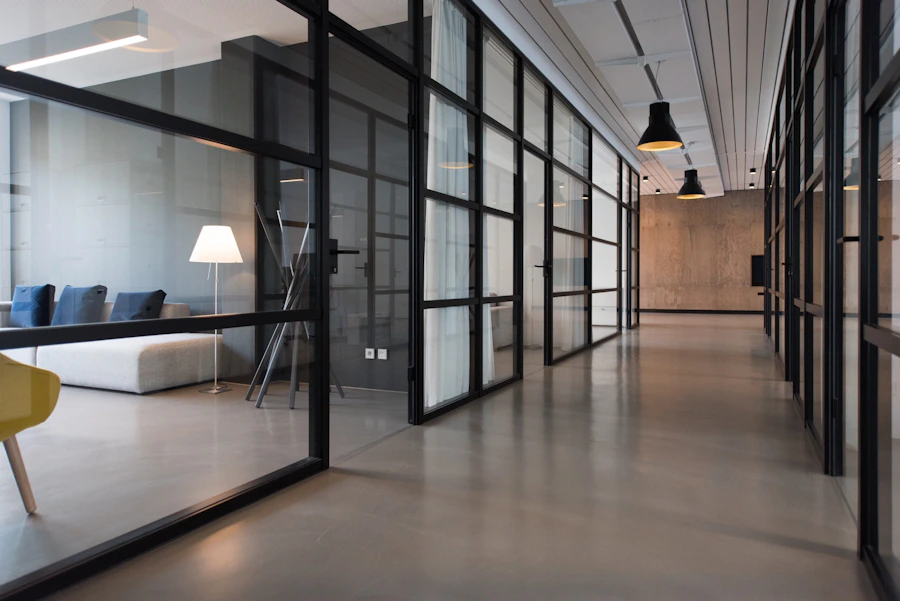 03
Offices & Commercial Buildings
Offices and workplaces require suitable fire safety arrangements to protect employees, visitors and contractors, including appropriate evacuation procedures.
ENQUIRE ABOUT AN OFFICE FRA 04
Shops & Retail Premises
Retail premises must consider the safety of customers and staff, including fire hazards associated with stock storage, electrical equipment and escape routes.
ENQUIRE ABOUT A RETAIL FRA 05
Nurseries & Educational Buildings
Nurseries, schools and educational settings require particular consideration of evacuation arrangements for children, staff and people needing assistance.
ENQUIRE ABOUT AN EDUCATION FRA 06
Restaurants, Cafés & Hospitality
Restaurants, cafés and hospitality premises can present risks from cooking equipment, combustible materials, customer occupancy and complex evacuation arrangements.
ENQUIRE ABOUT A HOSPITALITY FRAWho Is Responsible for Arranging the Assessment?
Under the Regulatory Reform (Fire Safety) Order 2005, the Responsible Person must ensure that a suitable and sufficient fire risk assessment is carried out for premises within the legislation's scope.
The Responsible Person will depend on the premises and the extent of control held by different parties. In some buildings, more than one person or organisation may have relevant duties and must cooperate.
DISCUSS YOUR PROPERTYDoes Every Residential Property Need a Fire Risk Assessment?
Not every private dwelling requires a fire risk assessment under the Fire Safety Order. The legislation generally applies to non-domestic premises and relevant common parts of multi-occupied residential buildings. Requirements for HMOs, mixed-use buildings and other residential settings depend on their specific circumstances and applicable legislation. Contact us if you are unsure what applies to your property.
Fire Risk Assessment Regulations & Legal Responsibilities
Fire safety legislation places important duties on those responsible for relevant premises. Understanding these requirements helps landlords, managing agents and business operators identify fire risks, maintain appropriate precautions and protect building occupants.
Regulatory Reform (Fire Safety) Order 2005
The Fire Safety Order is the principal fire safety legislation for most non-domestic premises in England and Wales. It requires the Responsible Person to make a suitable and sufficient assessment of fire risks to relevant people and take appropriate general fire precautions.
Fire Safety Act 2021
The Fire Safety Act clarified that fire risk assessments for buildings containing two or more sets of domestic premises must consider the building's structure, external walls and flat entrance doors, where applicable.
Fire Safety (England) Regulations 2022
These regulations introduce additional requirements for certain multi-occupied residential buildings in England. Depending on building height and configuration, duties can include providing fire safety instructions, information about fire doors and additional checks or information for the fire and rescue service.
Recording Findings & Reviewing Risks
The Fire Safety Order, as amended, requires Responsible Persons to record their fire risk assessment findings in full. Assessments must also be reviewed regularly and when changes or other circumstances indicate they may no longer be valid.
What Does the Responsible Person Need to Do?
The Responsible Person must take reasonable steps to protect relevant people from fire risks and ensure that appropriate fire safety arrangements are in place.
This includes arranging a suitable and sufficient fire risk assessment, acting on its findings and maintaining appropriate fire safety measures.
Appointing a competent assessor can support these duties, but it does not transfer the Responsible Person's legal responsibilities to the assessor.
DISCUSS YOUR FIRE SAFETY NEEDSWhat Happens If Fire Safety Duties Are Not Met?
Failure to comply with applicable fire safety legislation may result in enforcement action by the relevant fire and rescue authority. Depending on the circumstances, this may include enforcement notices, restrictions on the use of premises, prosecution and financial penalties. More importantly, inadequate precautions can place occupants and visitors at serious risk.
Arrange a Fire Risk Assessment in London
Professional fire risk assessments from £190. Contact our team to discuss your building and the appropriate assessment scope.
How Often Should a Fire Risk Assessment Be Reviewed?
A fire risk assessment should be kept under regular review to ensure it continues to reflect the building, its occupants and the fire safety arrangements in place. The appropriate review frequency depends on the premises and the risks involved.
Does a Fire Risk Assessment Expire After 12 Months?
No universal 12-month expiry period applies to all fire risk assessments. The Regulatory Reform (Fire Safety) Order requires assessments to be reviewed regularly and when there is reason to believe they are no longer valid or significant changes have occurred.
An annual review is a common good-practice approach for many premises, but the appropriate frequency should be based on the building's risks, occupancy and circumstances.
Some premises may require more frequent reviews, particularly where hazards, occupancy or building arrangements change regularly.
DISCUSS YOUR ASSESSMENTA Practical Review Approach
Arrange a suitable and sufficient assessment of the relevant premises and record the findings.
Address necessary improvements according to their risk and priority, and maintain appropriate records.
Review the assessment at an interval appropriate to the premises. Annual reviews may be suitable for many settings.
Reconsider the assessment promptly where alterations, incidents or other developments affect the fire risks.
Six Reasons to Review Your Fire Risk Assessment
A review should not be delayed until a planned review date where circumstances indicate the assessment may no longer accurately reflect the premises.
Building Alterations
Extensions, refurbishment, changes to internal layouts or alterations affecting escape routes and fire separation.
Changes in Occupancy
Increased occupant numbers, changes in tenant arrangements or new occupants who may need assistance evacuating.
Fire Incidents or Near Misses
A fire, near miss or discovery of a serious fire safety concern may reveal risks not adequately addressed in the existing assessment.
Changes in Building Use
Conversion to an HMO, changes in commercial activities or a new use that introduces different fire hazards.
Fire Safety System Changes
Significant changes to fire alarms, emergency lighting, fire doors, suppression systems or other protective measures.
New Hazards or Safety Concerns
New combustible storage, hazardous processes, compromised escape routes or previously unidentified fire safety deficiencies.
Fire Risk Assessment Review vs New Assessment
Not every change requires an entirely new assessment. The appropriate approach depends on how much the premises, risks and existing assessment have changed.
Reviewing an Existing Assessment
A review considers whether the existing assessment remains suitable and sufficient, and whether its findings or recommended measures need updating.
Carrying Out a New Assessment
A fresh assessment may be appropriate where substantial changes have occurred, the previous report is inadequate or the existing assessment no longer provides a reliable basis for managing risk.
Is Your Fire Risk Assessment Due for Review?
Contact Certify My Property to discuss your existing assessment and whether an updated or new assessment is appropriate.
Why Choose Us for Your Fire Risk Assessment?
Choosing the right fire risk assessment service is important for understanding the risks within your property and identifying appropriate safety measures.
At Certify My Property, our focus is on providing straightforward assessment services, clear reporting and practical information to help you manage your property responsibilities.
Clear, Detailed Reporting
Receive a written fire risk assessment report documenting relevant hazards, existing precautions, findings and recommended actions.
Convenient Booking
Speak to our team about arranging a suitable assessment appointment for your property and coordinating the necessary access arrangements.
Practical Recommendations
Understand identified fire safety concerns and the actions recommended to help reduce risk and improve existing safety arrangements.
Transparent Pricing
Fire risk assessment prices start from £190, with published prices for common property categories and bespoke quotations for more complex buildings.
London Property Coverage
Fire risk assessment services for eligible residential, communal and commercial premises across London.
Multiple Property Services
Access a range of additional property safety and certification services through Certify My Property, helping simplify your enquiries.
Looking After More Than Just Fire Risk Assessments
In addition to fire risk assessments, Certify My Property provides a range of property inspection and certification services for landlords, managing agents and businesses.
If your property requires several different inspections, our team can discuss your requirements and the available services.
EXPLORE CERTIFICATE BUNDLESFire Risk Assessments in London From £190
Contact our team to discuss your property, confirm the appropriate assessment scope and enquire about available appointments.
Our Fire Risk Assessment Process
Arranging a fire risk assessment with Certify My Property is straightforward. From your initial enquiry through to receiving the completed report, our team will guide you through the key stages.
Initial Enquiry
Contact us with your property address, building type and relevant details. We'll discuss your requirements, the proposed assessment scope and applicable pricing.
Book Your Assessment
Once the assessment requirements are agreed, we'll arrange an appointment and confirm the access arrangements for the relevant areas of your building.
On-Site Assessment
The assessor visits the property to examine relevant accessible areas, consider fire hazards, review existing precautions and gather information for the report.
Receive Your Report
Following the assessment, you'll receive a written report detailing relevant findings, identified risks and recommended actions to support fire safety management.
What Should You Have Ready Before the Assessment?
Providing access to the relevant areas of the property and making existing fire safety records available can help the assessor understand the building and its current fire safety arrangements.
The documents required will depend on the property type and the scope of the assessment. If particular records are unavailable, please let us know before the visit.
SPEAK TO OUR TEAMReady to Arrange Your Fire Risk Assessment?
Assessments start from £190. Contact our team to discuss your property and arrange a suitable appointment.
Fire Risk Assessment Frequently Asked Questions
Find answers to common questions about fire risk assessments in London, including legal requirements, assessment costs, review frequency and what to expect during an inspection.
01 Is a fire risk assessment a legal requirement?
Yes, for premises covered by the Regulatory Reform (Fire Safety) Order 2005. This generally includes non-domestic premises, workplaces and relevant common parts of multi-occupied residential buildings.
The Responsible Person must ensure that a suitable and sufficient assessment of fire risks is carried out. An ordinary private dwelling occupied as a single home is generally outside the scope of the Fire Safety Order.
02 How much does a fire risk assessment cost in London?
At Certify My Property, fire risk assessments start from £190 for eligible property categories.
The final price depends on factors such as building size, layout, occupancy, complexity and the assessment scope. Larger or more complex premises may require a bespoke quotation.
03 How long is a fire risk assessment valid for?
A fire risk assessment does not have a universal fixed legal expiry date. It must be reviewed regularly and whenever there is reason to believe it is no longer valid or significant changes have occurred.
An annual review is common good practice for many premises, but the appropriate frequency depends on the risks and circumstances of the building.
04 Do landlords need a fire risk assessment?
Landlords may have fire risk assessment responsibilities depending on the property type, its use and the areas under their control.
For example, the common parts of multi-occupied residential buildings generally fall within the Fire Safety Order. Other rented properties may be subject to separate housing and fire safety duties.
05 Does an HMO need a fire risk assessment?
Many Houses in Multiple Occupation have fire risk assessment requirements under applicable fire safety legislation.
The exact requirements depend on the building's configuration, occupation arrangements and the relevant areas under control. HMOs can also be subject to additional housing legislation and licensing conditions.
06 Do blocks of flats need a fire risk assessment?
Yes, relevant common parts of blocks of flats generally require a fire risk assessment. This can include shared corridors, staircases and entrance areas.
For buildings containing two or more sets of domestic premises, the assessment must also consider the building's structure, external walls and flat entrance doors where applicable.
07 Who is responsible for carrying out a fire risk assessment?
The Responsible Person must ensure that a suitable and sufficient assessment is carried out.
Depending on the premises, this may be an employer, building owner, landlord or another person with relevant control. The assessment may be undertaken by a competent person appointed to assist.
08 What does a fire risk assessment include?
A fire risk assessment considers fire hazards, people at risk, existing fire precautions, escape arrangements and relevant fire safety management.
Depending on the agreed scope, it may consider fire doors, alarm arrangements, emergency lighting, firefighting equipment, signage and evacuation procedures.
The resulting report records findings and recommended actions. Specialist testing or intrusive investigations are not automatically included.
09 How long does a fire risk assessment take?
The time required depends on the size, complexity, layout and use of the premises.
A straightforward small property will generally require less inspection time than a large commercial building or complex multi-occupied residential premises. Our team can discuss the likely appointment requirements when booking.
10 What happens if the assessment identifies fire safety problems?
Identified deficiencies and recommended improvements will be documented in the report, with priorities informed by the level of risk.
The Responsible Person should review the findings and arrange appropriate corrective action. Urgent risks should be addressed without unnecessary delay.
A fire risk assessment is intended to identify and evaluate risks; it is not simply a pass-or-fail certificate.
11 Can I carry out a fire risk assessment myself?
A Responsible Person may undertake an assessment themselves if they have the necessary competence to assess the particular premises and its fire risks.
More complex buildings may require specialist knowledge and experience. Where the Responsible Person does not have sufficient competence, they should obtain suitable assistance.
12 Is a fire risk assessment the same as a fire safety certificate?
No. A fire risk assessment is a documented evaluation of fire risks and the precautions required to protect relevant people.
The Fire Safety Order does not generally require a separate fire risk assessment certificate. The important document is the assessment report and its findings.
Fire alarm testing, emergency lighting testing and other fire safety services may produce their own separate inspection or test records.
Arrange Your Fire Risk Assessment in London
Whether you manage an HMO, a block of flats, communal residential areas or commercial premises, contact Certify My Property to discuss your fire risk assessment requirements. Prices start from £190 for eligible property categories.
The information above provides general guidance on fire risk assessment requirements in England. Specific responsibilities depend on the premises, the applicable legislation and individual circumstances.